The Tiled Underworld: Britain's Old Public Loos and the Second Acts Below Street Level
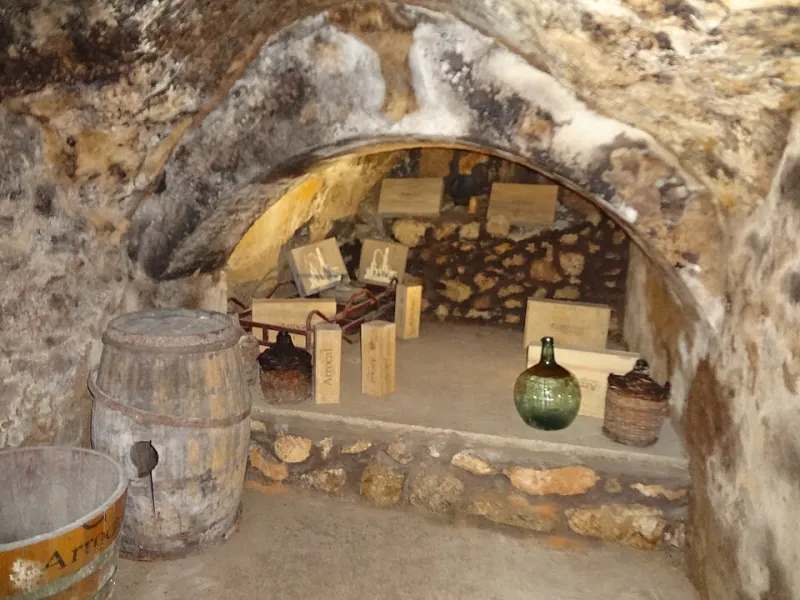
Photo: David Adam Kess, CC BY-SA 4.0, via Wikimedia Commons
You know the entrance even if you have never used it. A low parapet of granite, a curl of ironwork, a flight of steps falling away from the pavement — and at the bottom, a door that has been painted more often than replaced. For a century these staircases led to something municipal and unglamorous. Increasingly, they lead to a bar.
Across Britain there are former Victorian and Edwardian public conveniences doing a second shift as wine rooms, small galleries, coffee counters and community halls. Some are grand, some are the size of a decent wardrobe. What they share is a particular atmosphere: cool, dim, slightly echoey, lit from below, smelling faintly of stone. You have to descend to enter. That single fact does more for the mood than any lighting scheme ever could.
A civic building with a drain attached
Most of these structures arrived in the second half of the nineteenth century, after public health legislation pushed boroughs to provide facilities for a population that was suddenly mobile, urban and out a great deal. The results were rarely utilitarian. Borough surveyors, given a small budget and a large sense of themselves, produced buildings in terracotta, majolica and glazed brick, with crests, finials and tiled interiors that would not have disgraced a small chapel.
The nickname that stuck to the best of them — cistern chapel — is not entirely a joke. Inside, the surfaces are polished and reflective, the ceilings surprisingly high, the acoustics oddly devotional. Charles Dickens would have recognised the architecture; a modern sommelier recognises the cellar.
It is often said that the phrase 'to spend a penny' dates from the Great Exhibition of 1851, where the sanitary engineer George Jennings charged a penny for the use of his facilities. Whether or not the etymology holds, the sentiment does: these were places of small transactions and minor dignity, built by councils that took civic pride seriously enough to put decorative tiles in a lavatory.
The paperwork is harder than the plumbing
Converting one is not simply a matter of buying glassware. The obstacles arrive in a specific order: drainage, access, and listed building consent.
Drainage first. Many are below the water table or tucked into pavements above Underground tunnels, and the original pipework was designed for a flow that no longer exists. Access second: a flight of stone steps is charming in a photograph and a genuine problem under the Equality Act, which is why so many conversions include a lift shaft, a ramped side entrance or a carefully negotiated compromise with the local authority. Third, the building itself. A fair number are listed, and even unlisted ones sit within conservation areas, so every new vent, handrail and extraction duct is a conversation.
Then there is the change of use — a drinking establishment sits in its own planning class, which means a former convenience hoping to sell wine needs permission to do precisely that. Several schemes have foundered on noise, on late licences, or on neighbours who quite liked the quiet.
What the licensees have learned
Ask the people running these rooms what surprised them and the answers are consistent. The acoustics, for one: tiles bounce sound in ways that make a small room either intimate or unbearable, and the good operators spend real money on soft furnishings. The temperature, for another: below ground stays cool in July and cold in January, which is lovely for a cellar and less lovely for a Saturday night.
And then there is what one Clapham licensee calls 'the descent problem' — the psychological threshold of those steps. Regulars learn to love it. Passing trade does not always follow. The successful sites solve this with light: a warm glow at the top of the stairs, a chalkboard positioned at street level, the suggestion that something is happening down there.
Where it works, it works beautifully. A glass of something cold in a room of green and cream tiles, the pavement at eye level outside, a bus going past in the world above — the whole thing feels like a secret that the council accidentally left in the ground.
Grit, irritation, pearl
There is a reason these spaces suit the Abalon temperament. A pearl is an inconvenience made lustrous: an irritant, wrapped. Britain's cities are full of awkward leftovers — substations, undercrofts, tram shelters, subways — and the interesting ones are usually the ones nobody could think what else to do with.
An old public convenience is an awkward, damp, listed inconvenience in the middle of a pavement. And yet the result, when someone has thought about it properly, is a room you could not build new for any sensible sum: high-ceilinged, tiled, quiet, strange, and completely unmistakably of this country.
The next time you pass a parapet with a staircase behind it, look for the light at the bottom. There is a decent chance someone is pouring a glass down there, and that the city has quietly turned another small civic obligation into an evening out.